
The Art of Storytelling in Film Production: A Comprehensive Guide


Understanding the Core of Storytelling in Film
In the realm of film production, storytelling is the beating heart that drives a movie from concept to screen. It’s the art of weaving a narrative that captivates, inspires, and resonates with audiences. At its core, storytelling in film is about creating a compelling journey for characters and viewers alike.
The process begins with a strong script. A well-written script is the blueprint of a film, providing structure and dialogue that guide the director, actors, and crew. It’s essential for the script to effectively convey the themes, emotions, and arcs that will unfold on screen.
The Role of Cinematography
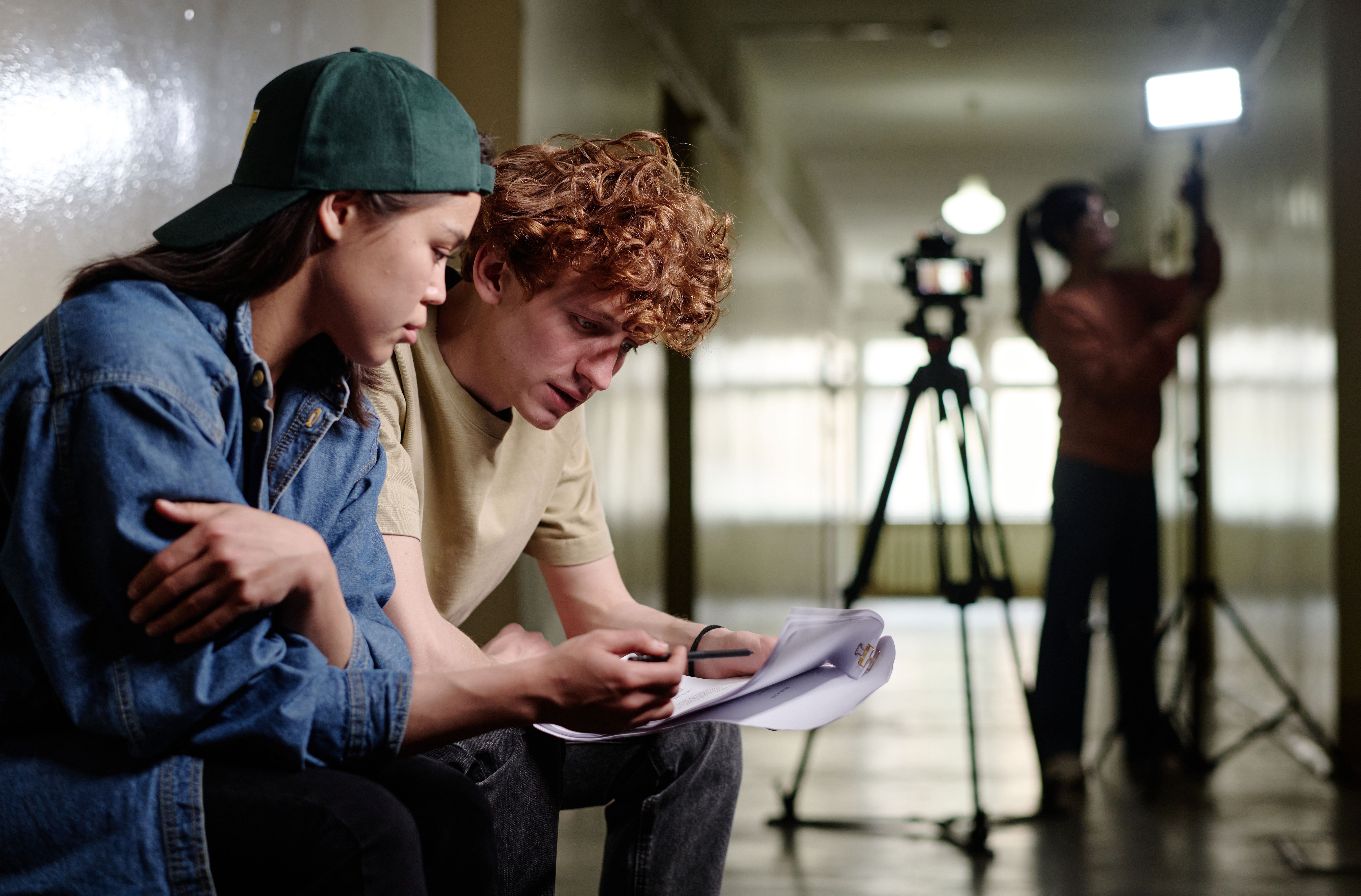
Cinematography plays a crucial role in storytelling by visually expressing the narrative. Through camera angles, lighting, and shot composition, cinematographers create a visual language that enhances the story. Each scene is meticulously crafted to evoke emotion and immerse the audience in the film’s world.
For example, close-up shots can convey intimacy or intensity, while wide shots might depict isolation or grandeur. The choice of color palette also contributes significantly to the mood and tone of the story.
Character Development and Arcs
Characters are the soul of any story. Developing well-rounded characters with distinct personalities, motivations, and growth arcs is essential for engaging storytelling. Audiences connect with characters who are relatable, flawed, and dynamic.
Character arcs are particularly important as they show the transformation or evolution of a character throughout the film. This progression keeps viewers invested in the character’s journey and the overarching narrative.
The Importance of Editing in Storytelling
Editing is the unsung hero of storytelling in film. It’s the process of piecing together shots and scenes to create a coherent and compelling narrative. Good editing ensures that the story flows smoothly, maintaining the right pace and rhythm.
Editors work closely with directors to decide which scenes to include, how to transition between them, and how to balance visual and auditory elements. This collaboration is vital for achieving the desired emotional impact.

Sound and Music: The Emotional Undercurrent
Sound design and music are powerful tools in film storytelling. They add depth and emotion to the narrative, often influencing how scenes are perceived. A well-composed score can heighten tension, elicit joy, or underscore sorrow.
Sound effects and ambient noise also play a role in immersing the audience in the film’s environment, making the story more believable and engaging.
Conclusion: The Collaborative Effort
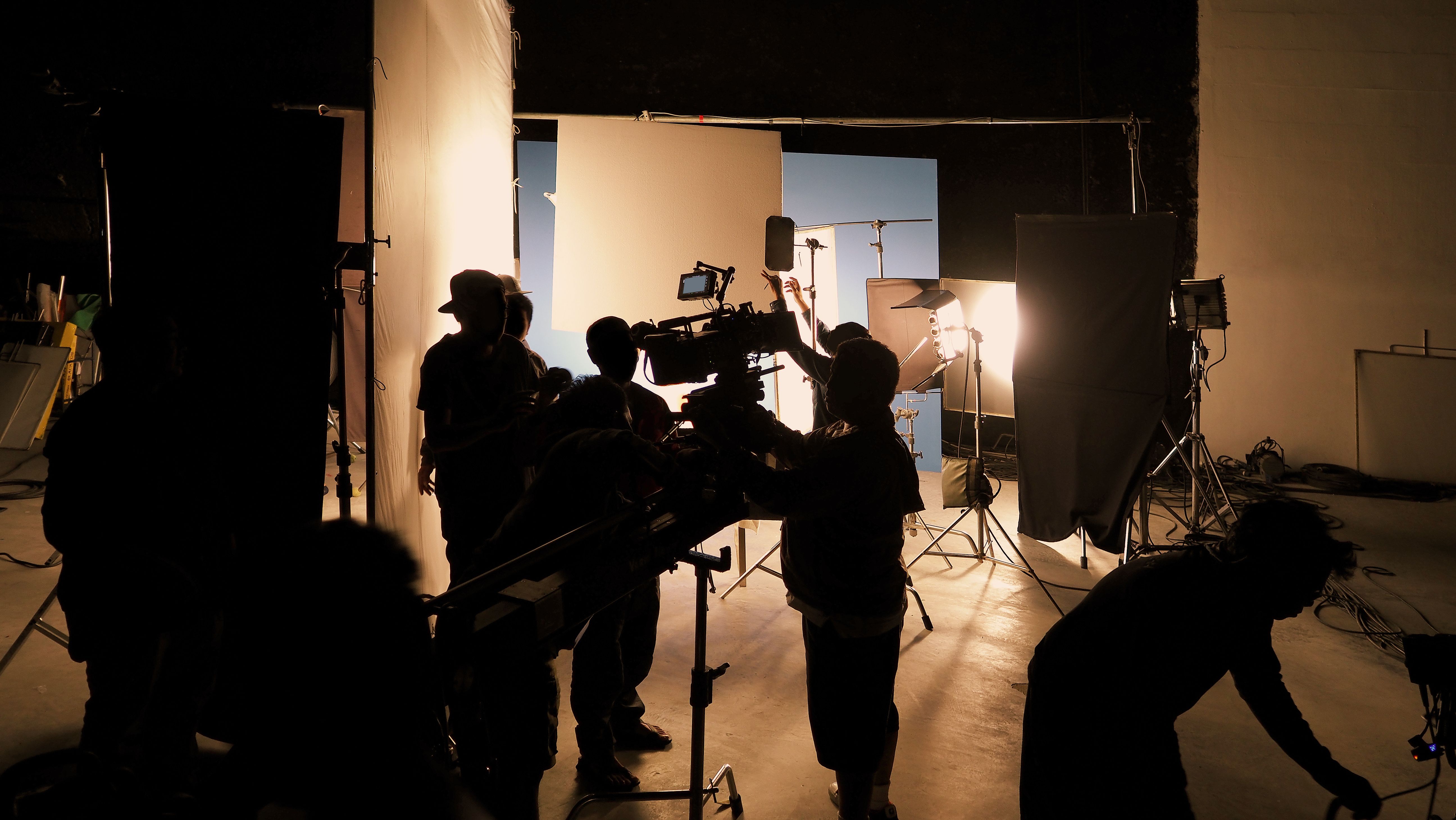
Storytelling in film is a collaborative art form that brings together writers, directors, actors, cinematographers, editors, and sound designers. Each plays a vital role in crafting a narrative that resonates with audiences.
By understanding and mastering each aspect of storytelling, filmmakers can create powerful and memorable films that stand the test of time. The art of storytelling in film production is a dynamic and ever-evolving process, continually pushing the boundaries of creativity and innovation.